
Sustainable Design: Creating Beautiful Spaces with Less Waste
SHIVAUN WRAITH | November 12, 2025

Designing Responsibly
As a kitchen and bath designer, one of my passions is finding ways to make design more sustainable. The industry has long been focused on the new—gleaming countertops, modern fixtures, perfect finishes—but too often, what gets left behind tells another story: waste.
The Wake-Up Call
I’ll never forget my first kitchen remodel. Demo day was shocking. In a matter of hours, an entire kitchen—cabinets, appliances, light fixtures—was torn out and tossed into the back of a truck, destined for the landfill.
Many of those materials were still in good condition. Seeing that level of waste firsthand changed the way I work. I realized that if I was going to create beautiful new spaces, I also had a responsibility to remove the old ones with care.
Small Shifts, Big Impact
Sustainability doesn’t have to mean sacrificing beauty or quality. It often begins with thoughtful decisions about what can be reused, repurposed, or responsibly recycled.
Ways to reduce waste during a remodel:
Donate or resell what you can. If your cabinets, lighting, or hardware are still in good shape, consider donating them to organizations like Habitat for Humanity or listing them on Facebook Marketplace.
Recycle locally. Rapid Recycle in Concord accepts almost anything—from appliances to metals to e-waste. Just pull up, and their team will take care of the rest.
Dispose of hazardous materials properly. For old paints, stains, or solvents, the Central Contra Costa County Hazardous Waste Facility is an excellent resource.
Giving Materials a Second Life
Sometimes the most meaningful design details come from materials that already hold history.
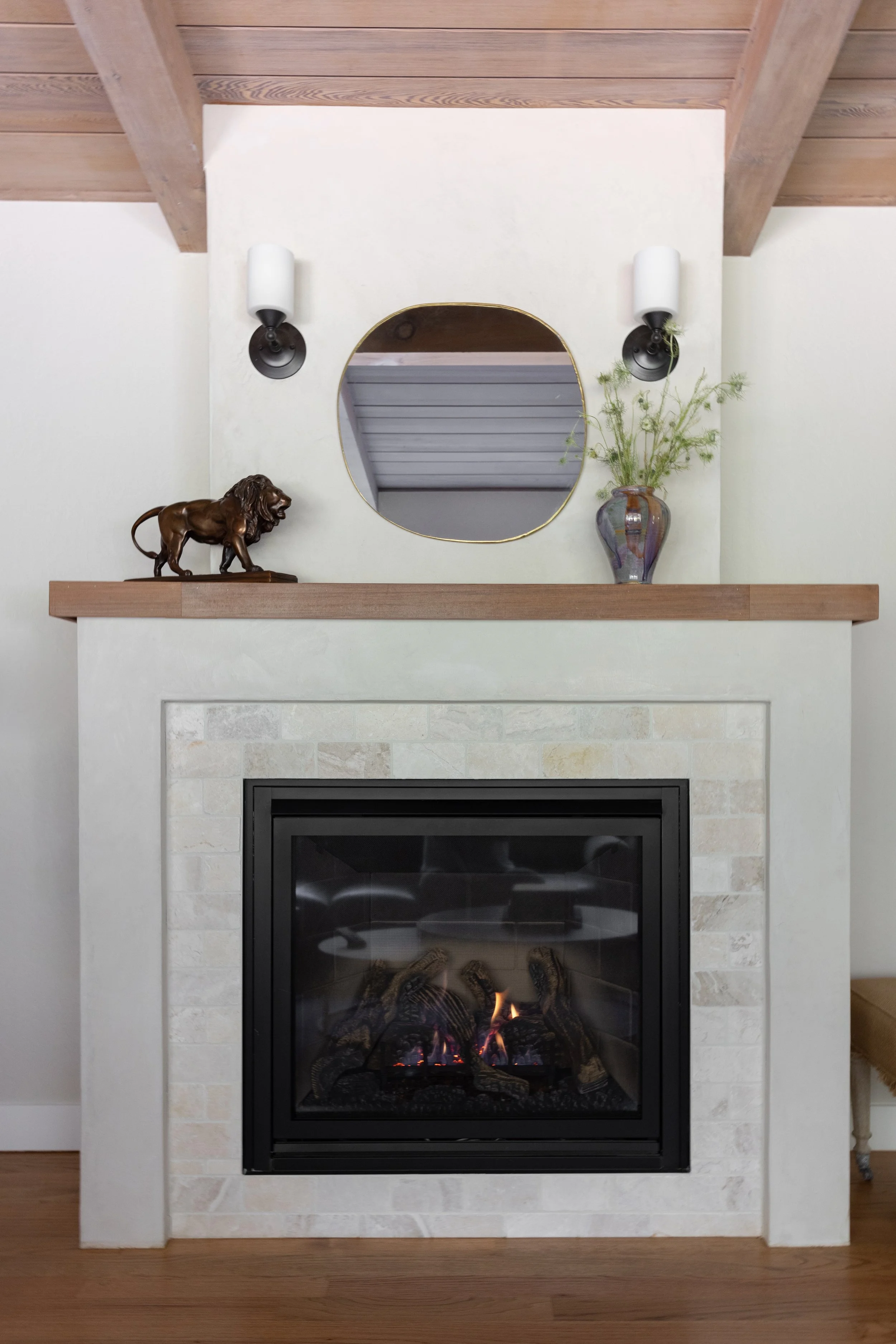
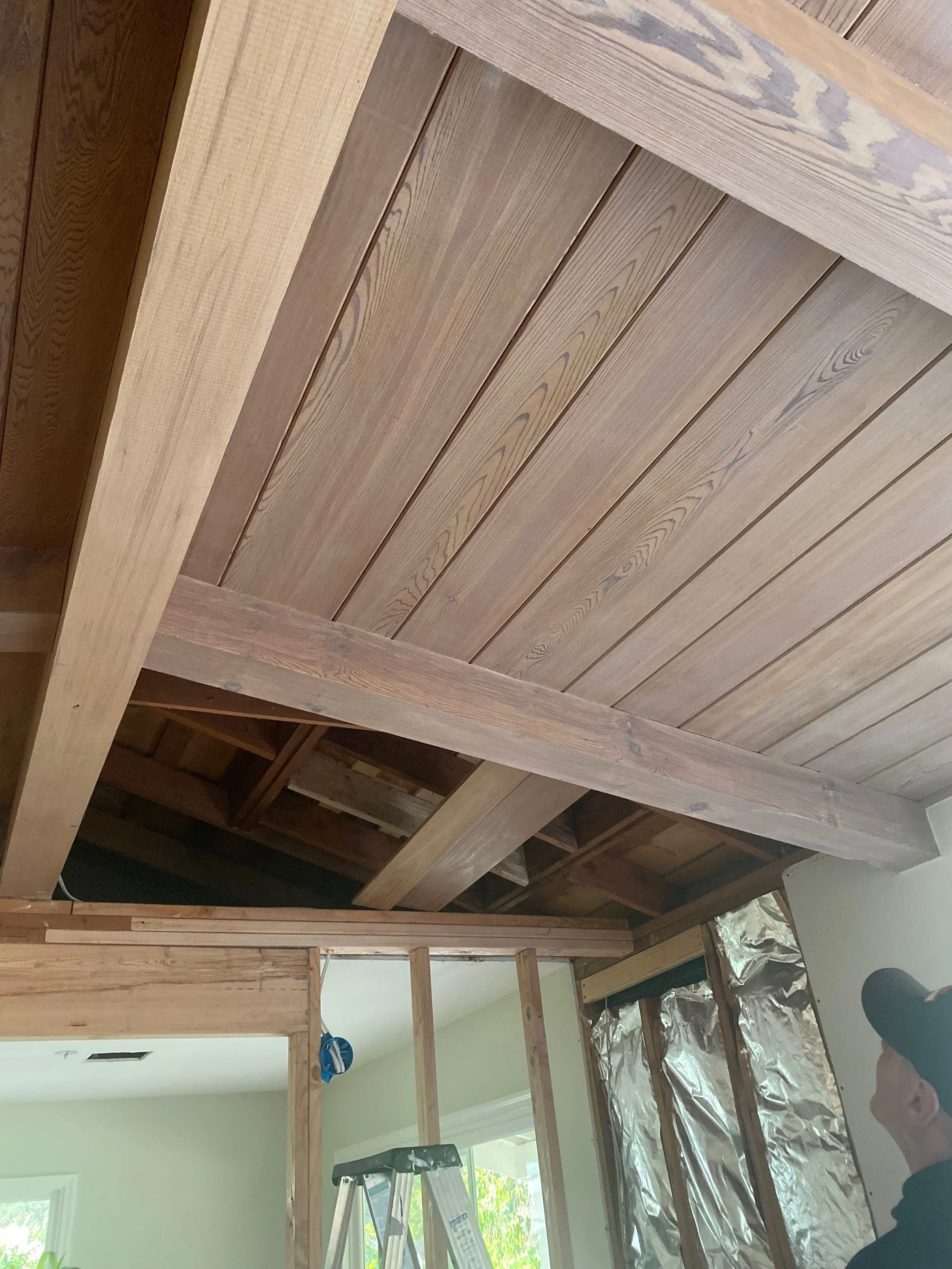
During a recent fireplace remodel, we needed to remove 50-year-old redwood planks from the original ceiling. Instead of discarding them, we carefully salvaged the boards and transformed them into a custom mantel for the new fireplace—a piece that now carries the home’s past into its next chapter.
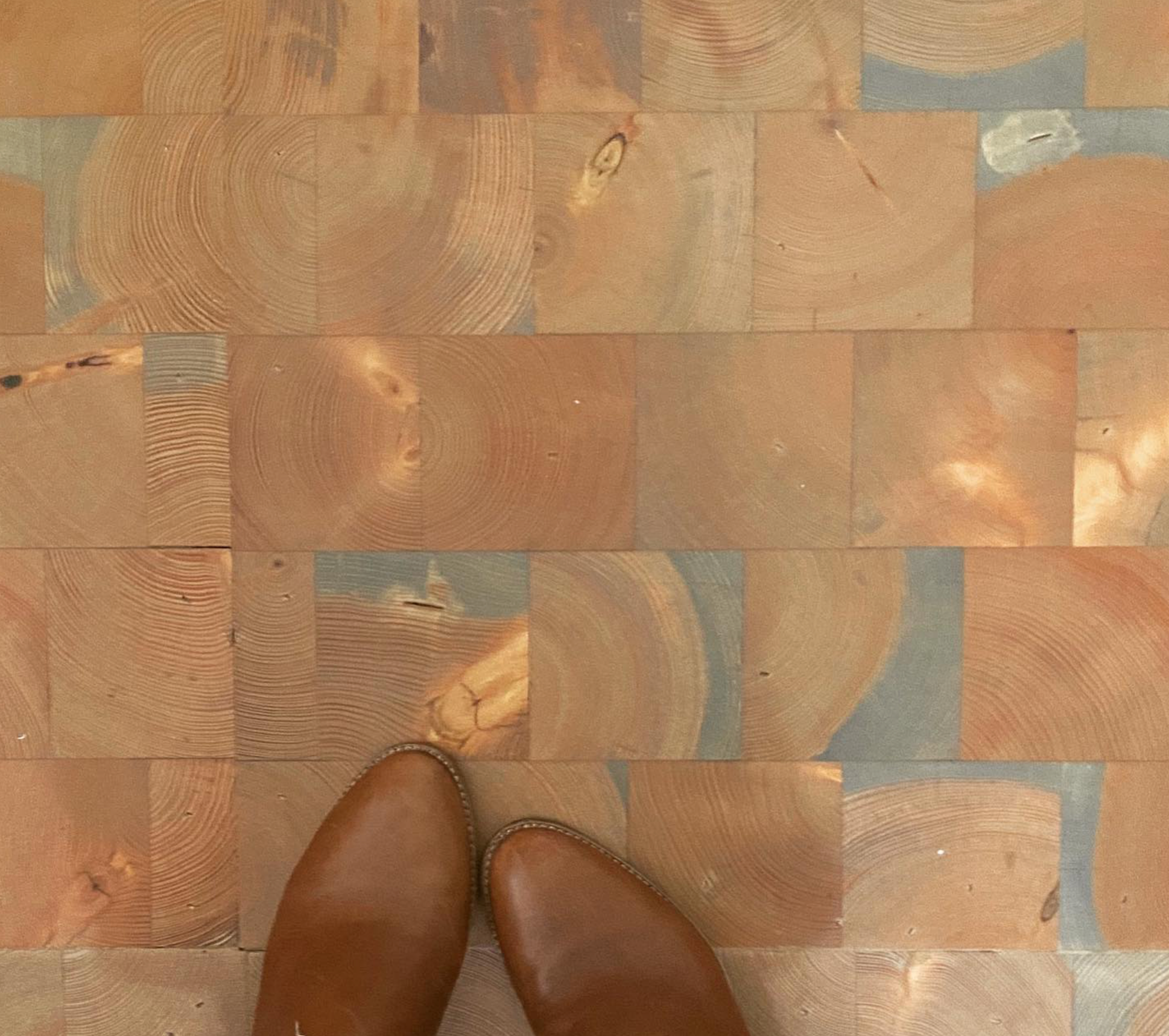
In another project, we sourced salvaged wood from Old Wood, a company in New Mexico that creates flooring from trees damaged in wildfires. These “burned” trees reveal streaks of deep blue created by heat and vaporized beetles—nature’s own accidental artistry.
Upgrading and Reusing Old Furniture
Sustainability isn’t just about how we build—it’s also about how we live.
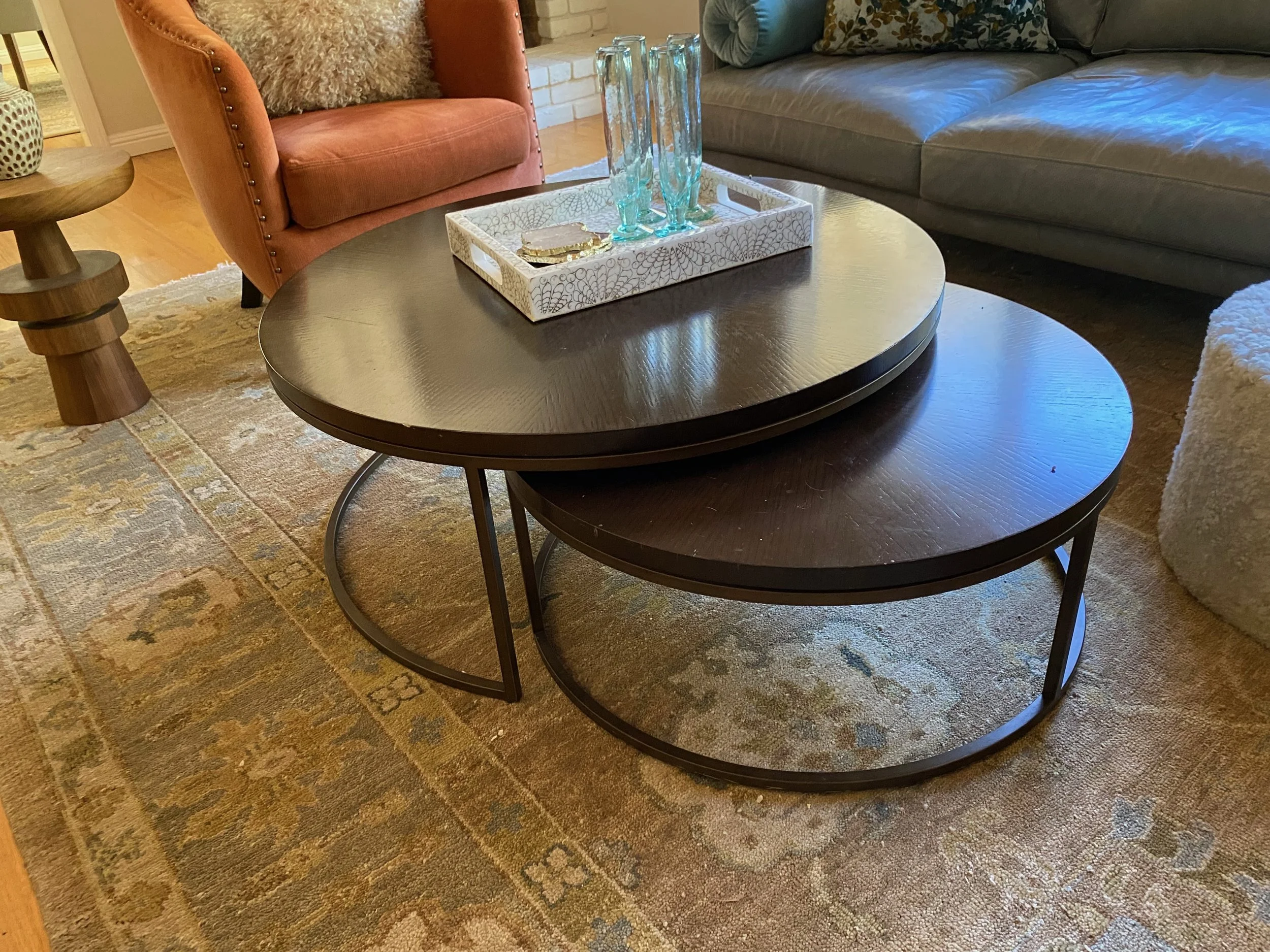
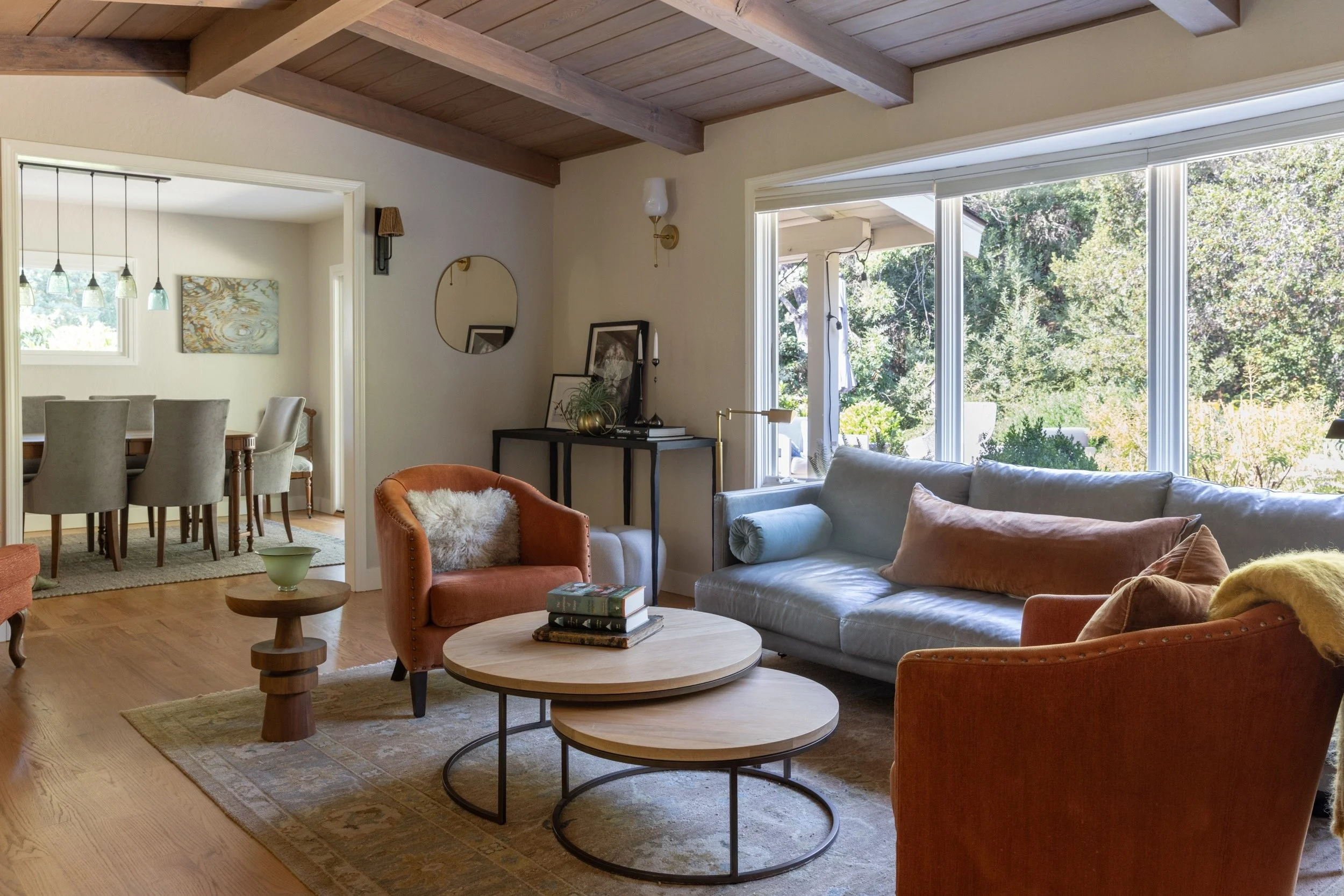
I had a set of nesting coffee tables that I loved for their clean lines and scale, but not their material. They were made of veneered particle board, which always felt temporary. Rather than replace them entirely, I decided to upgrade them. I had the tables remade in solid oak—a beautiful, durable wood that instantly elevated their presence and longevity.
The transformation was subtle but deeply satisfying. It’s a perfect reminder that small upgrades can create lasting impact, both aesthetically and sustainably.
Thoughtful Design, Responsible Beauty
Every remodel—and every home—offers a chance to make choices that reduce waste and respect the environment. With a bit of intention and creativity, sustainability can be woven into the fabric of beautiful design. It’s not just about how a space looks, but how responsibly it came to be.
Interested in a more sustainable remodel?
At Wraith Interior Design, we believe that design can honor both the planet and your home’s story. Contact us to learn how we can bring sustainable beauty into your next project.