The Art of Intentional Living:
Why Space Planning is the
Heart of Design
SHIVAUN WRAITH | April 16, 2026
Because so many of my posts focus on aesthetics and inspiration, I thought I’d switch things up and talk about something more practical—but absolutely essential: space planning.
To me, space planning is like a puzzle, figuring out how to get all the pieces to fit together in a way that actually works.
A lot of my instincts around this come from raising a family in a home with less than 2,000 square feet. I was doing this in the early 2000s, aka the peak of the McMansion era, when bigger was better and everyone seemed to be buying in bulk. Trips to Costco meant loading up on everything, which required space… a lot of it.
I didn’t have that kind of space, so I had to get creative with every inch. And honestly, I leaned into it. Looking back, I realize I was living a minimalist lifestyle before it had a name (or a Netflix documentary).
What I learned is that good space planning starts with being honest about how you actually live. Not how you think you should live, but how your day-to-day life really functions. It’s also about understanding the “real estate” within your home. Some spaces are more valuable than others, and they should be used accordingly.
For example, I once worked with a client who wanted to include towel and linen storage in her bathroom simply because that’s how her existing layout was set up. I had to gently explain that small bathrooms are like beachfront property, prime real estate. You want to reserve that space for the essentials. Storage can live in a hallway closet, but that extra square footage in the bathroom? That’s better spent on a larger shower or a more functional vanity.
The ABC’s of Space Planning
At the end of the day, space planning is the foundation of any design project. A space can be beautiful, but if it doesn’t function well, it just… falls flat.
So what does good space planning actually look like?
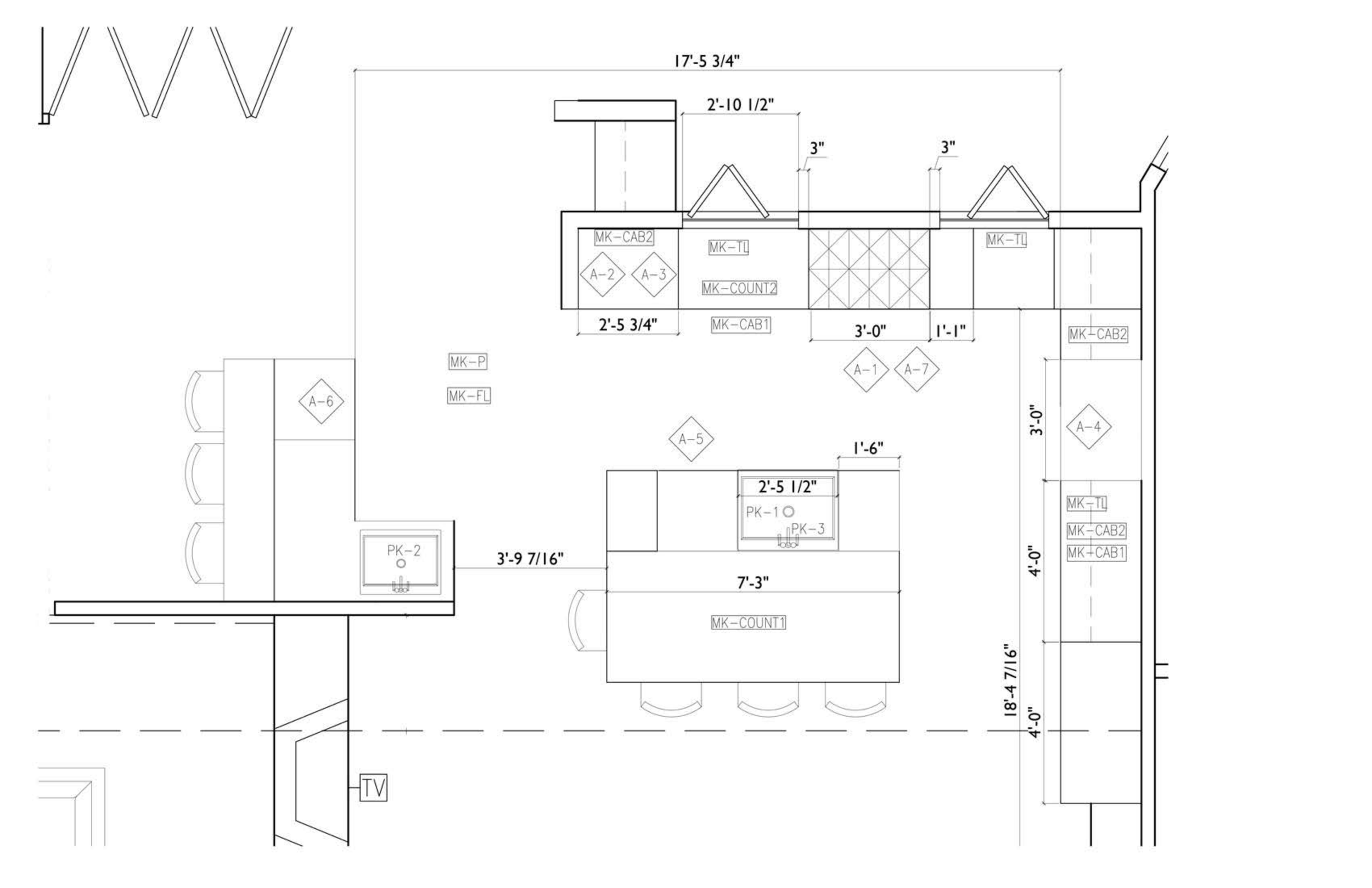
It’s a kitchen that’s easy to move around in—where the dishwasher can open without blocking the flow of traffic, and where kids aren’t dodging an open oven door. It’s an island that’s the right size, so you’re not walking laps just to get from the sink to the fridge. It’s keeping cooking tools near the cooktop and dishes near the dishwasher—simple things that make a big difference in everyday life.
It also means knowing when to stop. This is a big one.
A lot of homeowners feel like they need to fill every available inch—another cabinet, another shelf, one more place to store things. But sometimes, the best thing you can do for a space is not fill it. A blank wall, a little breathing room—these moments give a room balance and make everything else feel more intentional.
At its best, space planning isn’t about squeezing more in—it’s about making space for what matters. It’s creating a home that works for you, supports your routines, and feels good to live in.
When you get it right, even a smaller home can feel effortless, functional… and surprisingly spacious.