
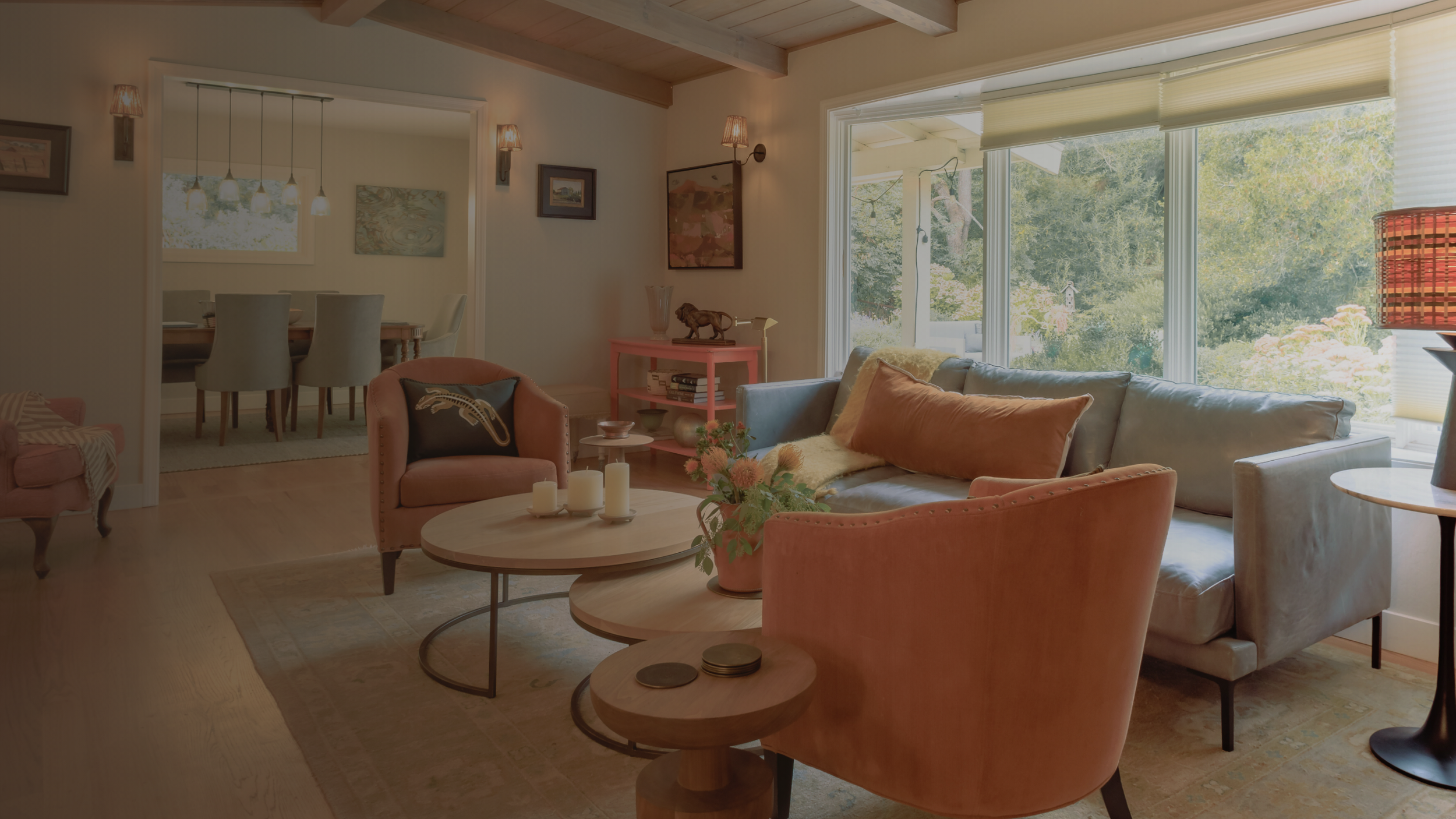
How to Choose an Interior Designer for Your Home Renovation
September 2026
Planning a home renovation is exciting, but it can also involve a long list of decisions. From layout and materials to lighting, cabinetry, finishes, and furnishings, each choice affects how your home will ultimately look, feel, and function.
Choosing the right interior designer can make that process more thoughtful, organized, and collaborative.
If you’re planning a kitchen remodel, bathroom renovation, or larger residential transformation, here are a few things to consider when choosing an interior designer for your project.
1. Look for Experience Relevant to Your Project
Not every interior designer approaches renovation work in the same way.
Start by reviewing a designer’s portfolio and looking for projects that relate to what you are planning. If you are remodeling a kitchen or bathroom, look for experience with residential renovations, space planning, material selections, lighting, fixtures, cabinetry, and the many details involved in transforming an existing space.
A portfolio should help you understand not only the designer’s aesthetic, but also the types of design challenges they have experience solving.
2. Pay Attention to Space Planning
Beautiful finishes can transform a room, but good design begins with how the space functions.
Thoughtful space planning considers how you move through your home, how rooms connect, where furniture is placed, how storage is used, and how the layout supports your everyday routines.
Before choosing colors or materials, a designer should be thinking about questions such as:
Does the current layout work for the way you live?
Are there opportunities to improve circulation or storage?
Could the room function better without increasing its footprint?
How will the design support both everyday life and long-term needs?
Strong space planning creates the foundation for everything that follows.
3. Understand the Designer’s Process
A clear design process can make a renovation feel much more manageable.
Ask how the designer approaches each stage of a project, from understanding your goals through design development and implementation.
Depending on the scope of the project, this may include:
Space planning
Material and finish selections
Lighting and fixture selections
Furniture and styling
Design documentation
Coordination with contractors and other project professionals
Understanding the process early helps establish expectations and gives you a clearer sense of how decisions will be made throughout the renovation.
4. Look for Strong Communication and Collaboration
Renovations often involve many moving parts.
Homeowners, designers, contractors, trades, vendors, and other professionals may all be involved at different stages of the project. Clear communication helps keep the design direction cohesive as the work moves forward.
Look for a designer who listens carefully, communicates clearly, and is comfortable collaborating with the other professionals involved in your project.
The goal should be a design process where you feel informed and confident about the decisions being made.
5. Choose a Designer Who Understands How You Live
Your home should reflect more than a particular style.
It should support your routines, priorities, personality, and the way you want to feel when you walk into the space.
A thoughtful designer will ask questions about how you use your home before recommending a layout, material, or piece of furniture.
For example:
How do you use your kitchen day to day?
Where does clutter tend to collect?
Do you entertain frequently?
Which spaces currently feel difficult or uncomfortable?
What would make your home function better for you?
These details help create a home that feels personal rather than simply styled.
6. Review the Portfolio for More Than Aesthetics
It is natural to begin with the images, but when reviewing an interior design portfolio, look beyond whether you simply like the colors or furnishings.
Consider:
How different spaces are planned
How materials work together
How older spaces have been transformed
Whether each project feels individual
How functionality is balanced with visual appeal
A strong portfolio should show you not only what a designer’s work looks like, but also how they think about space.
7. Consider Local and Regional Experience
If you are planning a renovation in Moraga or Northern California, working with a designer familiar with residential projects in the region can also be helpful.
Local experience can provide useful context around housing styles, renovation considerations, resources, contractors, and the way homes in the area are commonly used and updated.
For homeowners looking for a Northern California interior designer, this can be another useful consideration when comparing potential design partners.
Questions to Ask Before Hiring an Interior Designer
Before beginning your project, consider asking:
What types of renovation projects do you typically work on?
How does your design process work?
When should I involve you in the renovation?
Do you collaborate with contractors and other professionals?
How do you approach space planning?
What information do you need from me before we begin?
What happens after the initial consultation?
The answers should help you understand both the designer’s experience and what it may feel like to work together.
Start With a Conversation
Choosing an interior designer is ultimately about finding someone whose experience, process, and approach align with your home and your goals.
At Wraith Design, we work with homeowners on thoughtful residential interiors, including kitchen and bathroom remodeling, space planning, furnishings, and interior styling.
Based in Moraga, California, Wraith Design works with homeowners throughout Northern California to create spaces that balance beauty, functionality, and individuality.
If you’re beginning to think about a renovation, we’d love to learn more about your home and what you’re hoping to create.